
Introduction
For centuries, bronze utensils have been an integral part of traditional households across many cultures. Long before stainless steel and modern cookware became popular, people relied on bronze vessels, plates, bowls, and cooking pots for daily use. Today, as more people seek natural and sustainable lifestyles, bronze utensils are experiencing a revival.
Bronze is an alloy primarily made of copper and tin. Its durability, aesthetic appeal, and potential health advantages have made it a valuable material throughout history. While scientific evidence for some traditional claims remains limited, bronze utensils continue to be appreciated for their longevity and cultural significance.
In this article, we explore the health benefits, practical uses, maintenance tips, and precautions associated with bronze utensils.
What Are Bronze Utensils?
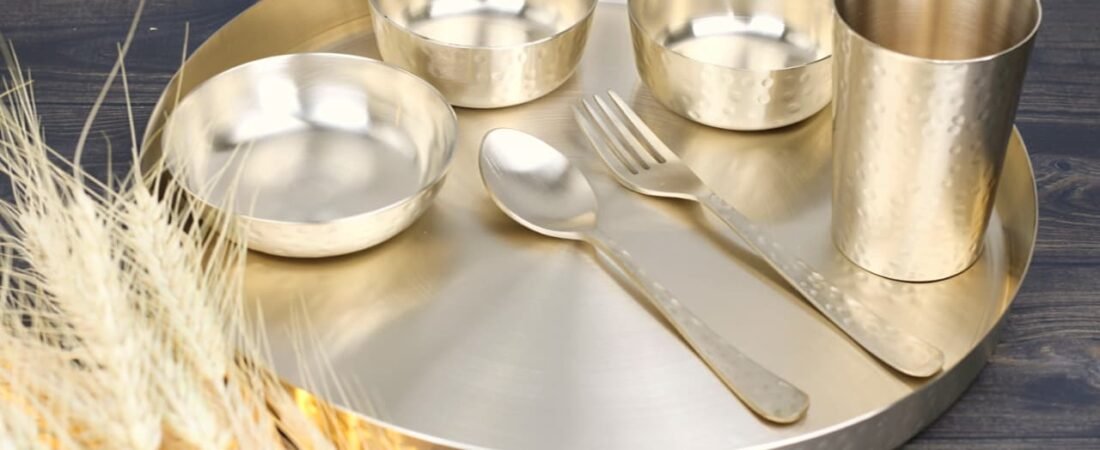
Bronze utensils are kitchenware items made from a mixture of copper and tin. This alloy is stronger and more corrosion-resistant than pure copper, making it suitable for everyday household use.
Common bronze utensils include:
- Dinner plates
- Bowls
- Serving dishes
- Water vessels
- Storage containers
- Traditional cooking pots
Their distinctive golden-brown appearance gives them a timeless and elegant look.
Health Benefits of Bronze Utensils
1. Natural Antimicrobial Properties
Copper, a major component of bronze, is known for its antimicrobial properties. Research has shown that copper surfaces can help reduce the survival of certain bacteria and microbes.
Although bronze contains less copper than pure copper utensils, it may still offer some hygienic advantages compared to certain other materials when properly cleaned and maintained.
2. Trace Mineral Contribution
Traditional health practices suggest that storing water in bronze vessels may allow minute amounts of copper to enter the water. Copper is an essential trace mineral that supports:
- Energy production
- Iron metabolism
- Nervous system function
- Connective tissue formation
However, excessive copper intake can be harmful, so moderation is important.
3. Supports Traditional Wellness Practices
Many traditional systems of health and wellness have recommended the use of bronze and copper vessels for storing water and serving food. These practices are believed to promote balance and overall well-being.
While modern scientific evidence does not fully validate all traditional claims, many families continue to follow these practices as part of their cultural heritage.
4. Chemical-Free Alternative
Unlike some low-quality cookware that may contain synthetic coatings, bronze utensils are generally free from artificial non-stick chemicals.
This makes them attractive to people seeking more natural kitchen solutions and reducing exposure to certain manufactured materials.
5. Durable and Long-Lasting
A healthy lifestyle is not only about food but also about sustainability. Bronze utensils can last for decades or even generations when properly cared for.
Their durability reduces waste and supports environmentally conscious living.
Additional Advantages of Bronze Utensils
Eco-Friendly Choice
Bronze is recyclable and has a long lifespan. Choosing durable utensils can help reduce the demand for disposable or frequently replaced kitchenware.
Traditional Aesthetic Appeal
Bronze utensils add elegance and cultural richness to dining experiences. Many people appreciate their handcrafted appearance and historical significance.
Heat Retention
Bronze can retain heat effectively, helping certain foods stay warm for longer periods after serving.
Best Uses for Bronze Utensils
Bronze utensils are generally suitable for:
- Serving cooked food
- Storing drinking water
- Dry food storage
- Traditional dining practices
Many households use bronze plates and bowls during special occasions, festivals, and family gatherings.
Precautions When Using Bronze Utensils
Avoid Highly Acidic Foods
Acidic foods such as:
- Lemon
- Vinegar
- Tamarind
- Tomatoes
may react with bronze surfaces over time. It is generally advisable not to store highly acidic foods in bronze containers for extended periods.
Ensure Proper Maintenance
Bronze can tarnish when exposed to air and moisture. Regular cleaning helps maintain both appearance and hygiene.
Buy from Trusted Manufacturers
Always purchase bronze utensils from reputable sources to ensure the alloy composition is safe and free from harmful contaminants.
How to Clean Bronze Utensils
To maintain bronze utensils:
- Wash with mild soap and warm water.
- Avoid harsh chemical cleaners.
- Dry immediately after washing.
- Occasionally polish using natural cleaning methods such as lemon and salt or specialized bronze cleaners, following manufacturer recommendations.
- Store in a dry place.
Proper care helps preserve the utensil’s shine and longevity.
Are Bronze Utensils Better Than Stainless Steel?
Both materials have advantages:
| Bronze Utensils | Stainless Steel Utensils |
|---|---|
| Traditional and aesthetically pleasing | Modern and widely available |
| May offer antimicrobial benefits due to copper content | Highly resistant to corrosion |
| Long-lasting with proper care | Low maintenance |
| Requires periodic polishing | Easy to clean |
| Best for serving and storage | Suitable for most cooking applications |
The choice depends on personal preference, cultural practices, and intended use.
Conclusion
Bronze utensils represent a blend of tradition, craftsmanship, and sustainability. Their durability, attractive appearance, and connection to ancient wellness practices continue to make them popular in modern homes. While some health claims are rooted in traditional knowledge rather than definitive scientific evidence, bronze remains a valued material for serving food and storing water.
When used responsibly and maintained properly, bronze utensils can be a beautiful and functional addition to a healthy and eco-conscious lifestyle.
Nitin Panwar (Founder, LaxM Global Trade Pvt. Ltd.)
Share Your Feedback
We value your opinion. Tell us what you think about this article.