
Introduction
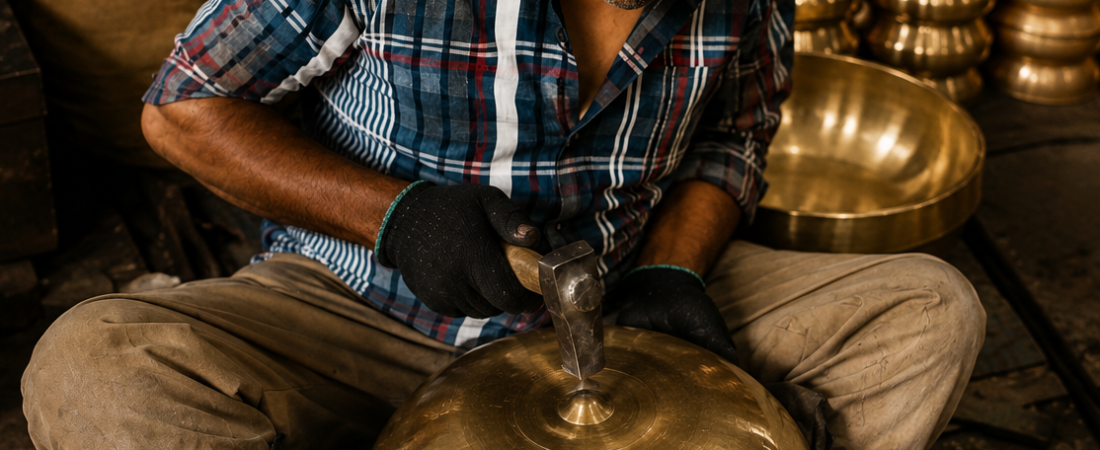
Brass utensils have been an essential part of traditional kitchens for centuries. Used extensively across Asia, the Middle East, and Europe, brass vessels, plates, bowls, and storage containers were valued for their durability, beauty, and perceived health benefits.
In recent years, growing interest in sustainable living, traditional wellness practices, and eco-friendly kitchenware has led to a resurgence in the popularity of brass utensils. Many households are rediscovering the advantages of using brass for serving food, storing water, and enhancing dining experiences.
This article explores the composition of brass, its health benefits, practical uses, maintenance requirements, and precautions for safe usage.
What Are Brass Utensils?
Brass is an alloy primarily composed of:
- Copper (60–70%)
- Zinc (30–40%)
The combination of these metals creates a strong, corrosion-resistant material with a distinctive golden appearance.
Common brass utensils include:
- Dinner plates
- Bowls
- Water pots
- Serving trays
- Storage containers
- Decorative kitchenware
Brass is highly valued because it combines the beneficial properties of copper with the strength provided by zinc.
Composition of Brass
Figure 1: Typical Composition of Brass
| Component | Percentage |
|---|---|
| Copper (Cu) | 60–70% |
| Zinc (Zn) | 30–40% |
Copper contributes antimicrobial properties, while zinc enhances strength and durability.
Health Benefits of Brass Utensils
1. Natural Antimicrobial Properties
Copper, the primary component of brass, possesses natural antimicrobial characteristics.
Research has shown that copper-containing surfaces can reduce the survival of certain bacteria, fungi, and microbes. This property may help maintain cleaner surfaces compared to some other materials when utensils are properly cleaned and maintained.
Potential Benefits
- Reduced bacterial growth
- Improved hygiene
- Safer food storage conditions
2. Trace Mineral Support
Traditional wellness systems suggest that storing water in brass vessels may allow trace amounts of copper and zinc to dissolve into the water.
These minerals are important for:
Copper
- Energy production
- Red blood cell formation
- Nervous system health
- Immune function
Zinc
- Immune system support
- Wound healing
- Protein synthesis
- Cellular growth
Although small amounts may contribute to dietary intake, brass utensils should not be viewed as a primary source of essential minerals.
3. Supports Digestive Wellness
Traditional health practices have long associated brass and copper vessels with improved digestion.
Supporters believe that water stored in brass containers overnight may help:
- Stimulate digestion
- Support gut health
- Promote balanced metabolism
While scientific evidence remains limited, these practices continue to be widely followed.
4. Eco-Friendly and Sustainable
One of the greatest modern advantages of brass utensils is sustainability.
Unlike disposable plastic products, brass utensils:
- Last for decades
- Are recyclable
- Reduce environmental waste
- Require fewer replacements
Choosing brass supports environmentally responsible consumption.
5. Durable and Long-Lasting
Brass is significantly stronger than pure copper.
Advantages include:
- High durability
- Resistance to wear
- Long service life
- Ability to withstand regular use
Many brass utensils are passed down through generations.
6. Attractive and Timeless Appearance
Brass offers a rich golden finish that enhances:
- Dining aesthetics
- Traditional decor
- Festive occasions
- Cultural ceremonies
Its elegant appearance adds value beyond functionality.
Traditional Uses of Brass Utensils
Historically, brass utensils have been used for:
Water Storage
Many households store drinking water in brass pots overnight.
Serving Food
Brass plates and bowls are commonly used during:
- Festivals
- Religious ceremonies
- Family gatherings
Decorative Purposes
Brass utensils are often displayed as decorative kitchen pieces due to their artistic craftsmanship.
Figure 2: Benefits of Brass Utensils
                Brass Utensils
                       |
    ----------------------------------------
    |            |           |             |
Hygiene      Durability   Sustainability  Beauty
    |            |           |             |
Antimicrobial Long Life Recyclable Golden Finish
Properties Resistant Eco-Friendly Traditional Look
Comparison: Brass vs Stainless Steel
| Feature | Brass | Stainless Steel |
| Appearance | Golden traditional look | Modern silver finish |
| Antimicrobial Properties | Moderate due to copper | Limited |
| Durability | High | Very High |
| Maintenance | Requires polishing | Low maintenance |
| Sustainability | Excellent | Excellent |
| Traditional Value | High | Moderate |
Precautions When Using Brass Utensils
Although brass offers many advantages, proper use is important.
Avoid Acidic Foods
Brass may react with acidic substances such as:
- Lemon
- Tamarind
- Vinegar
- Tomatoes
These reactions can affect food quality and damage the utensil.
For this reason, acidic foods should not be stored in brass containers for extended periods.
Use Food-Grade Brass
Always purchase brass utensils from reputable manufacturers to ensure:
- Safe alloy composition
- Food-grade quality
- Absence of harmful contaminants
Clean Regularly
Brass naturally tarnishes over time.
Proper cleaning helps maintain:
- Appearance
- Hygiene
- Longevity
How to Clean Brass Utensils
Method 1: Lemon and Salt
- Cut a lemon in half.
- Sprinkle salt on the surface.
- Rub gently.
- Rinse thoroughly.
- Dry immediately.
Method 2: Mild Soap Cleaning
- Wash with warm water.
- Use mild dish soap.
- Avoid abrasive scrubbers.
Method 3: Commercial Brass Polish
Specialized brass cleaners can restore shine and remove tarnish.
Are Brass Utensils Safe?
Yes, brass utensils are generally safe when:
- Properly maintained
- Used for appropriate foods
- Purchased from trusted manufacturers
However, they should not be used to store highly acidic foods for long periods.
Moderation and proper care remain important.
The Growing Popularity of Brass in Modern Homes
Consumers today are increasingly interested in:
- Sustainable living
- Traditional wellness
- Plastic-free kitchens
- Durable household products
Brass utensils align with these values by offering:
- Longevity
- Reusability
- Aesthetic appeal
- Cultural heritage
As a result, brass kitchenware is becoming a preferred choice among health-conscious and environmentally aware households.
Conclusion
Brass utensils represent a unique blend of tradition, beauty, sustainability, and functionality. Their natural antimicrobial properties, long lifespan, and timeless appearance make them a valuable addition to modern kitchens. While some traditional health claims require further scientific validation, brass remains a practical and eco-friendly alternative to many contemporary materials.
With proper care and responsible usage, brass utensils can serve families for generations while preserving a rich cultural legacy.
Nitin Panwar (Founder, LaxM Global Trade Pvt. Ltd.)
Share Your Feedback
We value your opinion. Tell us what you think about this article.